
If you have ever watched an athlete jump into an ice bath after a brutal workout, or seen a wellness enthusiast plunge into a freezing lake at sunrise, you may have wondered: is this actually good for you, or is it just another trend dressed up in scientific language? The answer, backed by a growing body of research and centuries of traditional practice, is that cold plunge therapy is very much the real deal. And the best part? You do not need to be an elite athlete or a hardcore biohacker to benefit from it.
This guide is written for the complete beginner. Whether you are curious about the science, thinking about trying your first cold plunge, or looking to build a consistent practice at home, everything you need to start your journey is right here. We will cover what cold plunge therapy actually is, how it works inside your body, the genuine benefits you can expect, how to get started safely, and what to look for if you decide to invest in equipment.
What Is Cold Plunge Therapy, and Where Did It Come From?
Cold plunge therapy, sometimes called cold water immersion (CWI) or hydrotherapy, is the practice of submerging the body in cold water, typically between 50 and 59 degrees Fahrenheit (10 to 15 degrees Celsius), for a short and intentional period of time. The duration can range from one minute for a beginner to ten minutes or more for experienced practitioners.
The practice is far from new. Ancient Romans used cold baths as part of their bathing rituals. Scandinavian cultures have practiced cold-water plunging after sauna sessions for hundreds of years. In Japan, the practice of Misogi, a Shinto purification ritual involving cold water, dates back over a thousand years. In the 18th and 19th centuries, European physicians regularly prescribed cold baths for everything from fever reduction to nervous system disorders.
What is genuinely new is the scientific attention this age-old practice is now receiving. Researchers at universities across the United States, Europe, and Australia are publishing studies that help explain what is actually happening inside the body during and after cold immersion, giving modern practitioners a much clearer picture of why this works.
The Science: What Happens to Your Body During a Cold Plunge?
Understanding the physiological response to cold water immersion helps you approach the practice with confidence rather than fear. When your body hits cold water, a remarkable cascade of biological events unfolds.
The Initial Shock Response
The first ten to thirty seconds in cold water trigger what researchers call the cold shock response. Your breathing rate increases sharply, your heart rate spikes, and blood vessels in your skin constrict in a process called vasoconstriction. This is your sympathetic nervous system, the "fight or flight" branch, firing at full force. This moment feels intense, which is precisely why breathing control is the most important skill a beginner can develop. Slow, deliberate nasal breathing during those first moments helps regulate the shock response and keeps you safe.
The Hormonal Cascade
After the initial shock, something interesting happens. Your body begins releasing norepinephrine, a neurotransmitter and hormone that plays a central role in focus, attention, and mood. Studies have shown that cold water immersion can trigger norepinephrine increases of 200 to 300 percent. Dopamine levels also rise significantly and, notably, they stay elevated for hours after the plunge. This neurochemical shift is one of the primary reasons regular cold plungers often report feeling remarkably clear-headed and energized after their sessions.
Inflammation and Recovery
Cold water causes blood to move away from the extremities and toward the core organs. When you exit the water and warm up, fresh, oxygenated blood rushes back through your muscles. This cycle of vasoconstriction and vasodilation helps flush metabolic waste products, reduce localized inflammation, and accelerate the muscle recovery process. For athletes, this is one of the most practically valuable effects of the practice.
Nervous System Regulation
Over time and with consistent practice, cold plunging has a training effect on the autonomic nervous system. Practitioners often develop a greater ability to stay calm under stress, not just in the water but in everyday life. This is because the practice repeatedly asks your body to transition from a high-stress sympathetic state to a calm parasympathetic state, essentially building your capacity for emotional and physiological regulation.
The Real Benefits of Cold Plunge Therapy
The benefits of cold plunge therapy are not wishful thinking. A growing body of research, combined with centuries of anecdotal evidence, points to several meaningful improvements across physical and mental health.
Faster Muscle Recovery
This is perhaps the most well-documented benefit. Cold water immersion reduces delayed-onset muscle soreness (DOMS) and helps athletes recover faster between training sessions. This is why professional sports teams have used ice baths as a standard recovery tool for decades. For recreational gym-goers, a post-workout cold plunge can meaningfully reduce the soreness that keeps many people from training consistently.
Mood Enhancement and Reduced Anxiety
The norepinephrine and dopamine release triggered by cold immersion has a genuine, measurable effect on mood. According to recent research covered by Google News on cold water therapy and mental health, multiple studies now point to cold water swimming and immersion as a promising complementary intervention for depression and anxiety. Participants in these studies frequently reported sustained improvements in mood that extended well beyond the plunge itself.
Improved Metabolic Health
Cold exposure activates brown adipose tissue, a type of fat that generates heat by burning calories. Unlike white fat, which stores energy, brown fat consumes it. Regular cold exposure has been linked to improvements in insulin sensitivity and metabolic rate, which is valuable for anyone focused on long-term metabolic health and body composition.
Boosted Immune Function
Some research suggests that consistent cold water exposure may increase the production of certain white blood cells and improve overall immune resilience. While this should not be presented as a cure or a guaranteed shield against illness, the evidence is compelling enough to be worth noting, especially for people who get sick frequently during winter months.
Better Sleep Quality
Many practitioners report that evening cold plunges help them fall asleep faster and experience deeper sleep. The mechanism here relates to the body's post-plunge warming response. After cold immersion, core body temperature rises as the body works to restore warmth. This rise followed by a gradual cooling mirrors the temperature patterns that support the transition into deep sleep.
Mental Resilience and Discipline
This benefit is harder to quantify but just as real. Choosing to enter cold water when every instinct tells you not to is an act of deliberate mental override. Over time, this practice builds genuine resilience, a practiced ability to do hard things voluntarily. Many practitioners report that the discipline cultivated in the cold plunge spills over into other areas of life, from fitness habits to professional focus.
How to Get Started: A Practical Beginner's Protocol
You do not need expensive equipment or a dramatic plunge into a frozen lake to begin experiencing the benefits of cold water immersion. Here is a sensible, progressive approach.
Step One: Start with Cold Showers
Before investing in any equipment, spend two to three weeks ending your daily shower with 30 to 60 seconds of the coldest water your tap can produce. This is not the same as full-body cold immersion, but it introduces your nervous system to the challenge and begins building your breathing and mental control. The goal here is not endurance; it is familiarity.
Step Two: Move to Tub Immersion
Fill your bathtub with cold water and add ice to bring the temperature down to between 55 and 65 degrees Fahrenheit. Aim for one to two minutes for your first session. Breathe slowly and deliberately. Exit if you feel panicked or experience chest pain. Gradually increase your duration by 30 seconds per session as your body adapts, working toward three to five minutes.
Step Three: Establish a Consistent Schedule
Three to four sessions per week is sufficient to produce meaningful adaptation. Morning plunges tend to have the most energizing effect; evening plunges tend to support better sleep. Experiment and find what works for your schedule and goals.
Step Four: Consider Purpose-Built Equipment
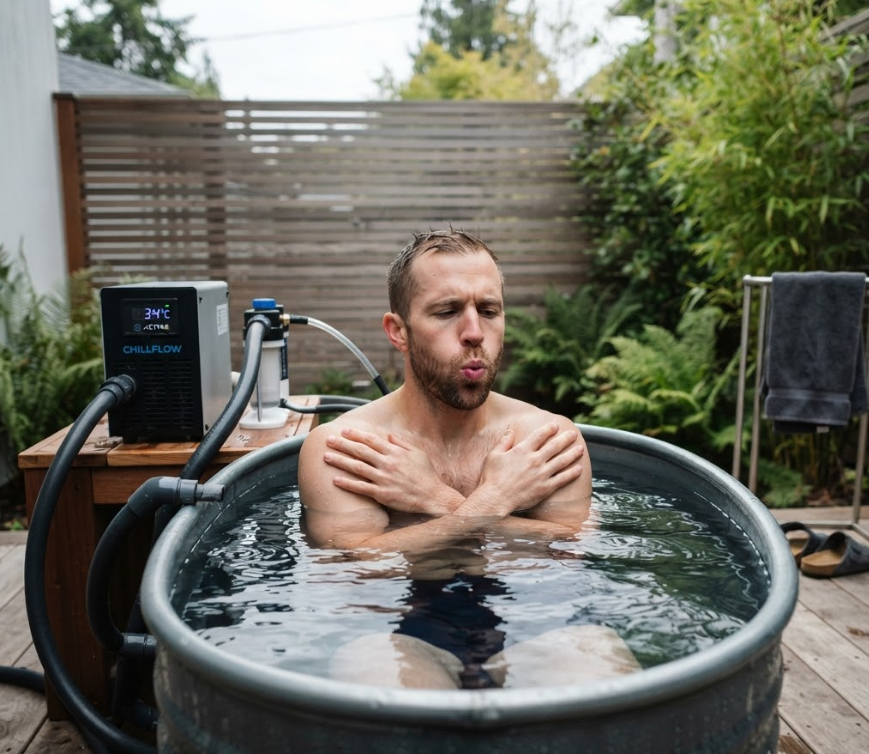
Once you are committed to the practice, cold plunge tubs designed specifically for home use offer far better temperature control, durability, and hygiene than a standard bathtub. There are many options available, from entry-level inflatable models to premium units with built-in chillers and filtration systems. For practitioners who want to replicate the kind of experience available in professional wellness facilities, a commercial cold plunge offers precise temperature regulation, medical-grade sanitation, and the structural quality needed for long-term daily use.
Safety Notes for All Beginners
Never cold plunge alone if you are just starting out. Avoid cold immersion immediately after an intense sauna session without a brief rest period. People with cardiovascular conditions, hypertension, or Raynaud's disease should consult a physician before beginning any cold water immersion protocol. Pregnant women should not practice cold plunging without explicit medical guidance.
What to Look for in Cold Plunge Equipment
If you are ready to invest in a dedicated setup, a few key factors will help you make the right choice.
Temperature Control
Look for a unit that can consistently hold temperatures between 37 and 60 degrees Fahrenheit. A reliable chiller is more important than a stylish tub. Units that struggle to maintain temperature in warm ambient conditions, such as outdoors in summer, will frustrate you quickly.
Filtration and Sanitation
Water hygiene matters. Cold water does not kill bacteria the way hot water can, so effective filtration and sanitation systems are essential. Look for units with UV-C or ozone sanitation, combined with mechanical filtration. This protects both your health and the longevity of the equipment.
Size and Build Quality
Your plunge tub should be large enough to submerge your body up to the shoulders comfortably. For most adults, a tub that is at least 24 inches deep and wide enough to sit with knees bent will work well. Build quality varies dramatically at different price points; read reviews carefully and prioritize brands with verifiable customer support.
Energy Efficiency
A chiller running daily adds to your electricity costs. Units with well-insulated shells and energy-efficient compressors will cost meaningfully less to operate over time. This is worth factoring into your total cost of ownership calculation.
According to Forbes Health's analysis of recovery tools and wellness trends, cold plunge therapy has firmly crossed from niche biohacking territory into mainstream wellness, with adoption growing rapidly among both high-performance athletes and everyday health-conscious consumers. The market for home cold plunge equipment has expanded accordingly, which means more options, more competition, and, ultimately, better products at more accessible price points than ever before.
Conclusion: Your First Plunge Is Closer Than You Think
Cold plunge therapy is not a magic pill. It will not replace quality sleep, a nutritious diet, or consistent exercise. What it will do, practiced regularly and with intention, is add a powerful physiological and psychological tool to your wellness toolkit, one that improves recovery, sharpens mental focus, builds resilience, and enhances mood in ways that are both evidence-based and deeply felt.
The barrier to entry is lower than most people assume. You already have access to a cold shower. That is your starting point. From there, the progression to full cold water immersion is gradual, manageable, and genuinely rewarding.
Write a comment ...